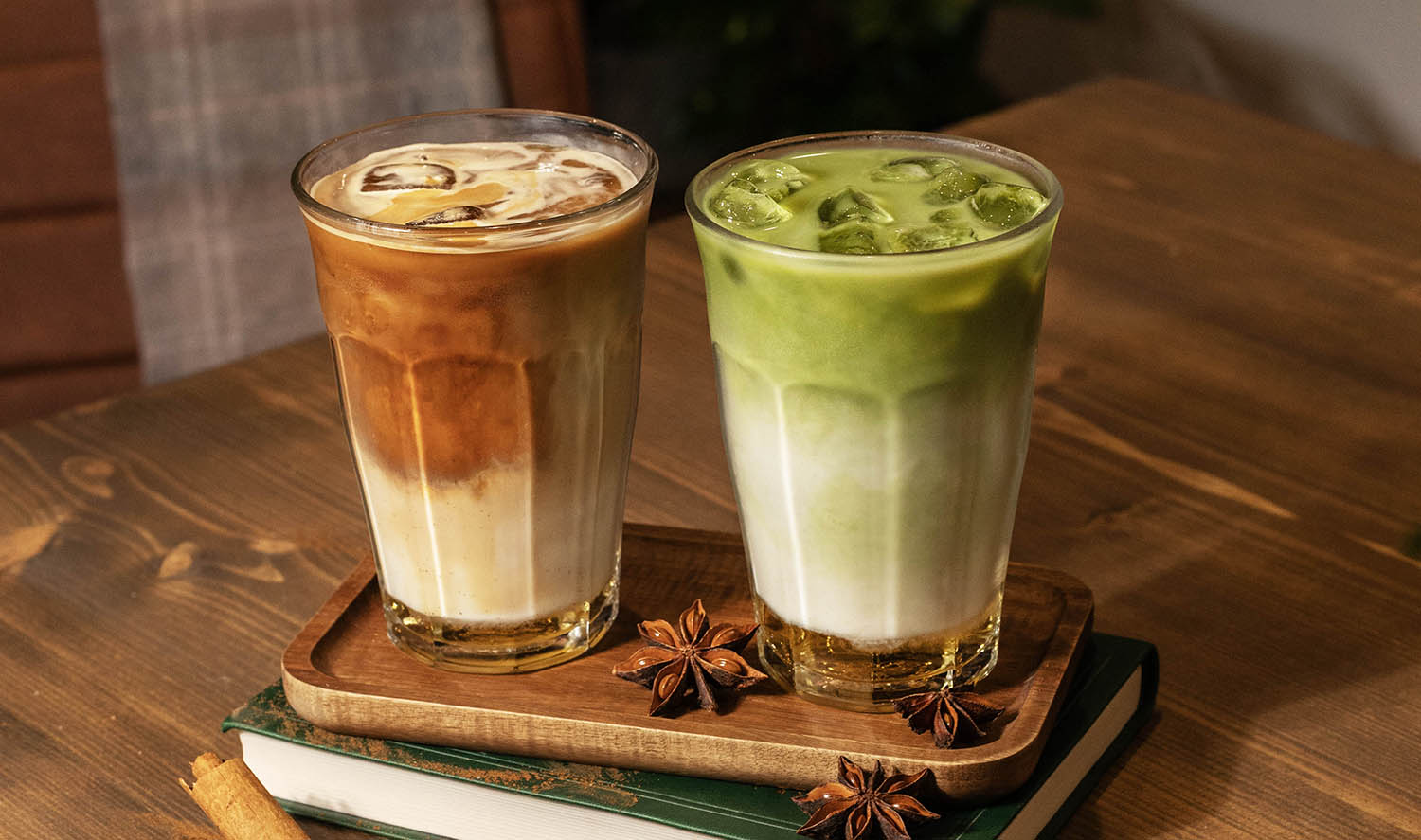
A massive cultural shift has been taking place across the global cafe industry. Fueled by viral social media trends, wellness-focused consumers, and menu innovation, matcha has emerged from a niche green tea category into a global power player. Industry data reveals that matcha is no longer just a temporary menu addition; it has become an indispensable staple that is challenging coffee’s reign in high-end cafes around the world.
The Stats Behind the Surge
Market research highlights just how rapidly matcha has infiltrated the mainstream coffee sector. Insights from World Coffee Portal’s The Matcha Report 2026 and analyses of our own consumer data paint a clear picture of exponential growth:
-
Sales Dominance: In key specialty spots such as Blank Street Coffee, matcha now accounts for roughly 50% of total beverage sales. What began as an experimental menu option in 2022 has transformed into a primary revenue driver.
-
Category Growth: UK chain Black Sheep Coffee reported a remarkable 227% year-on-year growth in its iced category in April 2025, crediting its expanded matcha lineup for helping hit record weekly sales. Wholesale suppliers have felt a similar surge, with tea importers reporting purchase volume spikes of up to 1,380% over 20-month periods.
-
Social Media Sensation: The green drink’s visually striking contrast has made it a viral phenomenon, accumulating over 202 million dedicated posts on TikTok.
-
International Market Potential: Coffee shop leaders in major global markets see immense growth potential ahead. 85% of industry respondents in China, 76% in the USA, 48% in India, and 41% in the UK agree that matcha possesses high growth potential in their local cafe markets.
Energy Without the Edge: Why Consumers Are Switching
What makes matcha such a formidable rival to traditional espresso? The answer lies in its unique balance of functional health benefits and consumer satisfaction. Unlike coffee, which delivers a quick spike in caffeine followed by a sharp drop-off, matcha offers sustained vitality.
A standard 2-gram serving contains approximately 70mg of caffeine, which slightly less than a standard double espresso, but combines it with the amino acid L-theanine. This natural pairing promotes focused alertness without the jittery afternoon crash often associated with heavy coffee consumption.
Additionally, matcha brings a wealth of nutritional appeal. Packed with polyphenols and natural antioxidants, the green tea leaf supports cognitive function and gut health. For health-conscious demographics, choosing a matcha beverage over a second cup of coffee feels like a functional wellness decision rather than an indulgence.
The Iced Generation
The meteoric rise of matcha is heavily anchored in changing demographic habits, particularly among Gen Z and younger Millennials. Older age brackets still lean heavily toward hot beverages, with over 90% of consumers aged 55 and older preferring traditional hot coffee and tea options. In stark contrast, younger generations are reshaping order habits around chilled, customisable drinks.
In the UK market, 49% of consumers under 35 prefer their matcha served cold. Clear plastic cups showcasing vibrant green layers poured over iced oat milk or fruit purees have turned everyday drinks into visual statements.
Furthermore, matcha drinkers exhibit higher enthusiasm for menu variety compared to average cafe goers. Survey data indicates that 77% of matcha drinkers find coffee shop beverage options exciting, compared to just 60% of general consumers. Matcha drinkers are also far more likely to select plant-based milks and favour modern ordering methods like digital kiosks and app-based click-and-collect services.
Operational Challenges: Craftsmanship vs. Scale
Despite its commercial success, serving high-grade matcha presents distinct operational hurdles for cafe operators. Unlike roasted coffee beans, which hold stability longer when whole, delicate matcha powder oxidises quickly once opened, risking discolouration and flavour degradation if not stored and prepared with care.
There is also a tension between traditional craft and high-volume service:
-
Ceremonial Milling vs. Speed: Stone-milled Japanese matcha represents the pinnacle of quality and smooth texture, but it is labor-intensive and expensive. Alternate methods like mechanical ball milling or jet milling scale faster but can sacrifice shade, aroma, and delicate taste notes.
-
The Preparation Ritual: Crafting authentic matcha involves sifting fine powder and manually whisking it with a bamboo chasen in mixing bowls to create a velvety micro-foam. While this adds theatrical value behind the bar, busy chains often struggle to balance this ritual with speed-of-service targets.
-
Supply Chains: Surging global demand has placed unprecedented pressure on Japan’s historic tea-growing regions. Combined with supply bottlenecks and high production costs, operators are navigating potential shortages and varying grades of commercial imports.
Flavour Innovation
To keep consumers engaged, innovative brands are moving well beyond basic lattes. Modern operators use matcha as a versatile canvas for adventurous seasonal menus.
Custom offerings such as blueberry matcha lattes, French toast infusions, gingerbread blends, and fruit-topped iced drinks demonstrate how operators can elevate their menu appeal. By treating matcha as a customisable experience, cafes are driving higher average order values and attracting a broader clientele.
Complement, Not Replacement
Does the global rise of matcha signal the end of traditional coffee culture? Industry experts say no.
Instead of replacing espresso, matcha serves as a perfect complement. It gives operators a resilient second pillar, diversifying sales during times of rising green coffee prices and changing consumer habits. By offering options that cater to varying dietary preferences, caffeine sensitivities, and flavour choices, modern coffee shops are cementing their status as essential community hubs for everyone.
Whether enjoyed as a hot, traditional whisked tea or an inventive iced latte layered with fresh fruit, matcha has firmly established its place in global cafe culture.