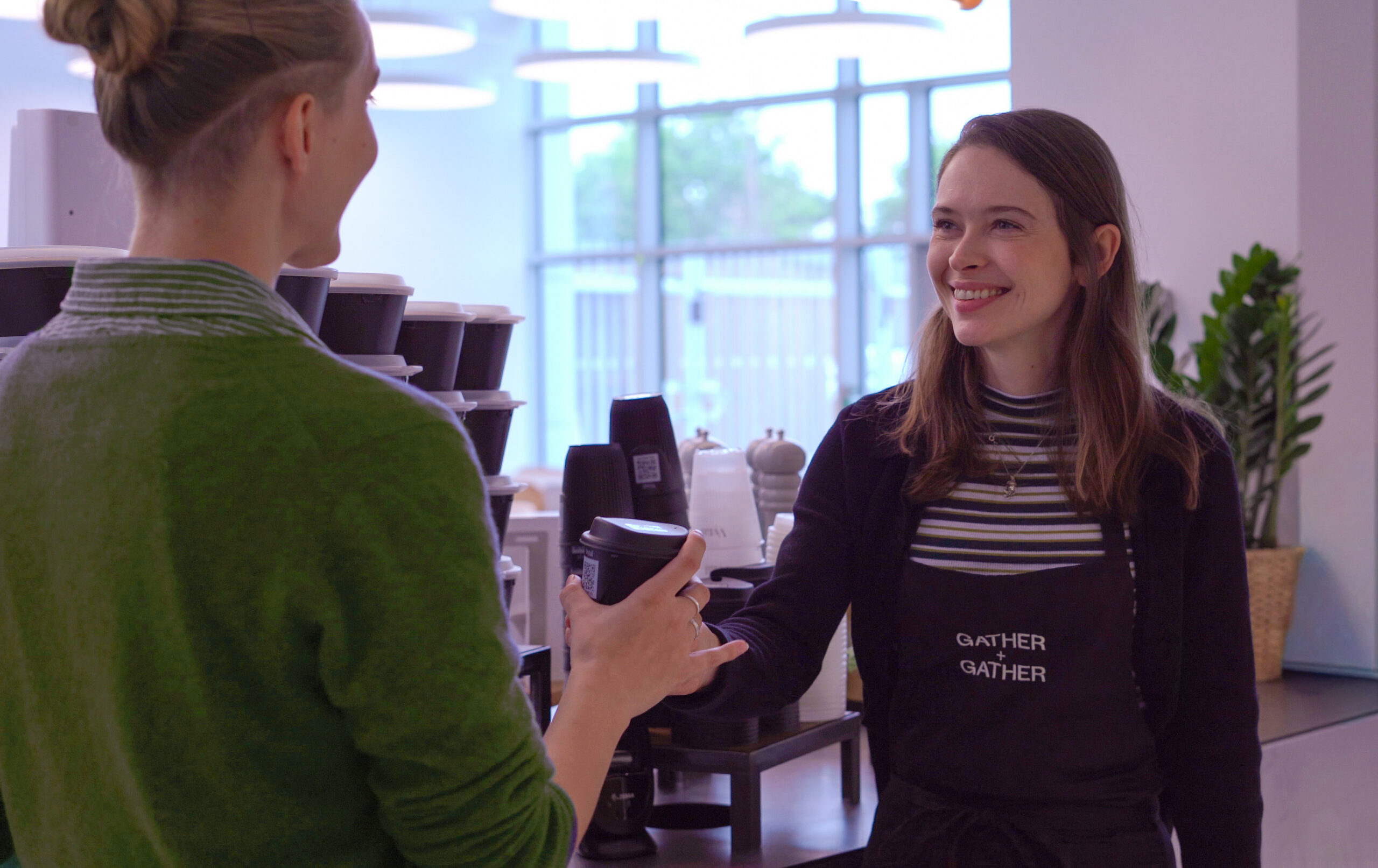
Cutting food waste is now seen as one of the most impactful sustainability practices, with 38% highlighting it as a priority, particularly among older generations who place greater emphasis on waste production as part of responsible consumption.
Sustainability has moved from a background consideration to a defining factor in how food is perceived at work. Research from Just Eat for Business shows that 92% of employees believe a company’s sustainable values directly improve wellbeing, and more than half say those values must align with their own. This reflects a broader change in expectation: employees are not only interested in what is on the menu, but what it represents. Where ingredients come from, how they are produced, and how food is packaged and delivered are all becoming important touchpoints of trust. Hospitality is no longer just a functional service for employees; it’s now part of the wider employee experience.
What was once seen as a “nice to have” is now shaping employee perception in a much more meaningful way. With 62% of employees saying it is important that their employer has clear sustainable values, food has become one of the most immediate and visible ways those values are communicated. Sustainability in the workplace is also becoming a practical business consideration, with 42% of employees actively considering the environmental impact of their workday meals. As awareness grows, organisations can no longer separate their catering decisions from wider sustainability goals.
This shift is also changing how food providers and operators work together. Suppliers are now expected not only to deliver quality and consistency, but also to demonstrate responsible sourcing, reduce food waste, and improve packaging choices. Approaches such as demand-led production, surplus redistribution and more sustainable packaging are being embedded in everyday operations rather than treated as options extras.
Customers are also responding to greater transparency. Organisations that clearly communicate their sourcing and sustainability practices are better positioned to build trust and strengthen engagement. Food becomes more than just about nourishment; it becomes a signal of intent.
This creates both an opportunity and a responsibility for organisations. Food is one of the most visible and frequently experiences parts of the employee journey and also one of the simplest ways to demonstrate values in action.
As expectations continue to rise, the message is clear. Employees are paying attention not just to what is being served, but to what it says about the organisation serving it. In hospitality today, food is no longer just functional. It is cultural, symbolic, and a new reflection of identity for organisations.